
Arborist Reports in Redhead
Contact Us
in Redhead
Address
Get The Lay Of The Land
When you need an arborist report in Redhead, we’ll give you a clear picture of what’s happening with your trees and what to do next. At Bennett's Tree Service, we understand how Redhead’s coastal air and wind patterns can affect tree health over time. As certified tree surgeons and qualified arborists, we look past the surface to assess structure, stability and overall condition.
Our reports are ideal if you’re worried about a tree leaning, dropping limbs, or showing signs of decay, or if you need formal documentation for council or insurance. We check canopy density, deadwood, trunk defects, root zone health and any pest or fungal activity. Because Redhead trees often deal with salt exposure and shifting soils, we factor local conditions into our risk findings. If a tree can be kept safely, we outline practical pruning or monitoring steps to support long term health. If removal is the safest option, we document the reasons clearly and explain the level of urgency.
You’ll receive a detailed, easy to follow report that supports smart decisions and compliance. To organise an arborist assessment in Redhead, call us on 0408 681 866.
Reports That Inform
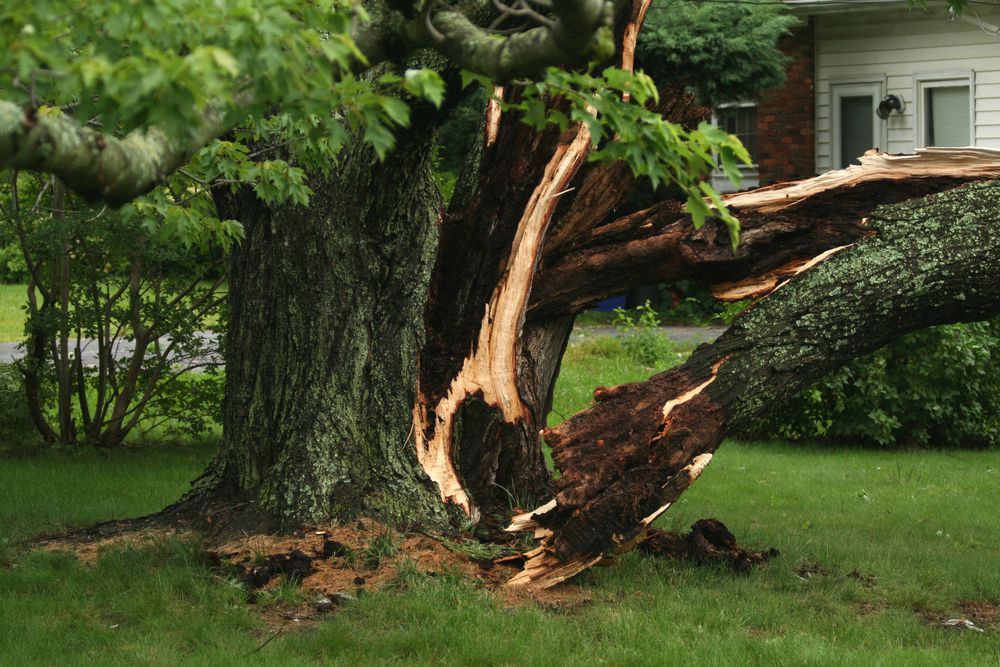
A good arborist report should take the guesswork out of tree decisions, especially in a coastal suburb like Redhead. We often see trees here coping well on the outside while hiding stress in the canopy or trunk due to wind loading and salt air. That’s why we inspect the whole tree system, including branch unions, hollows, bark splitting, root flare and soil movement around the base.
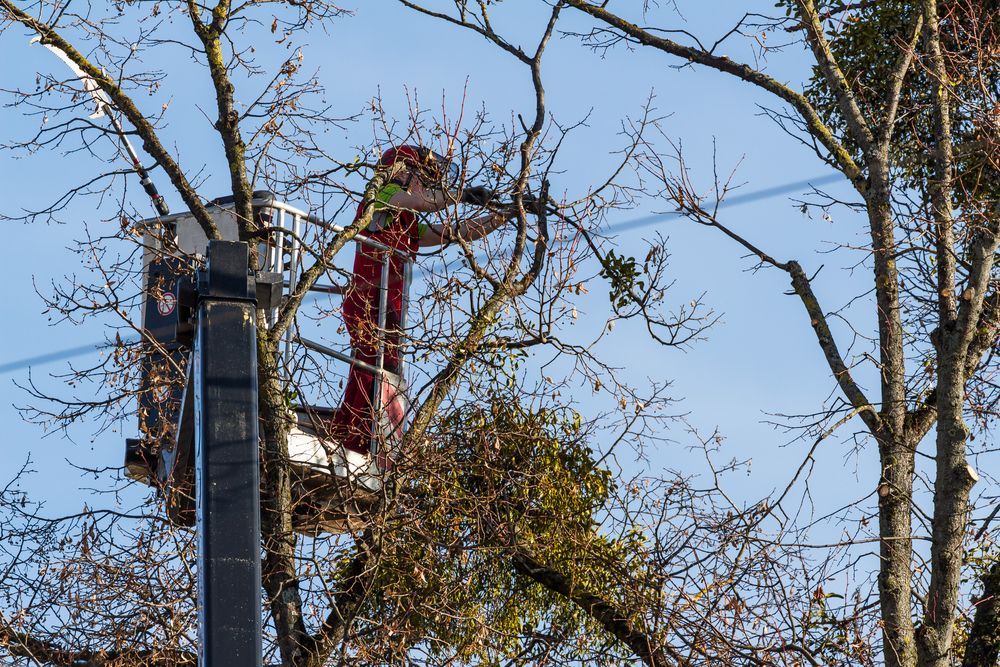
We also note how close the tree sits to homes, sheds, fences, driveways and shared boundaries, because impact zones matter as much as tree health. Our recommendations are written in plain language, with clear reasoning behind every call we make. If approvals are needed, we provide the detail councils look for, including condition notes, photos and management options. When pruning is enough, we explain the scope and timing so you know what maintenance will actually achieve.
When a tree is too risky to keep, we outline safe next steps and why delay could increase danger. We’ll talk you through the findings and answer questions so you feel confident moving forward. If you need an arborist report in Redhead that’s clear, practical and compliant, get in touch and we’ll sort it out together.
Arborist Reports in Redhead
Send Us An Enquiry in Redhead
Enquiry Form


Opening Hours
- Monday
- -
- Tuesday
- -
- Wednesday
- -
- Thursday
- -
- Friday
- -
- Saturday
- -
- Sunday
- -


